Pre-Andean Mountain Range of San Juan
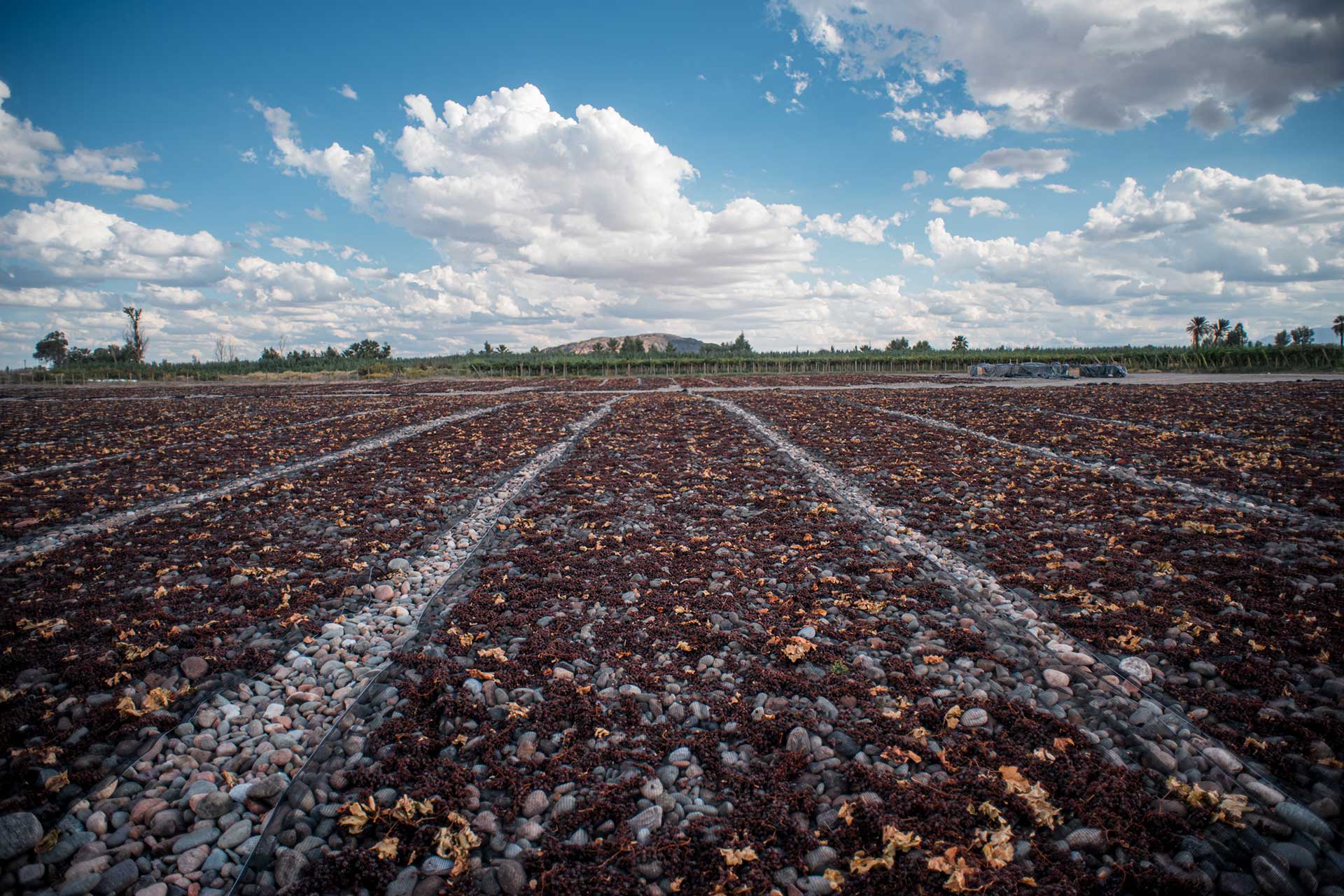
From the Andes mountain range, the Province of San Juan covers 89,651 square kilometers and has a population of 818,234 inhabitants. Its terrain is predominantly mountainous and hilly, containing valleys whose meltwater allows the development of communities and cultivation of the land. San Juan is characterized by a large annual and daily thermal range, which is the highest in Argentina. In winter, temperatures can drop to -5°C, and in summer, they can exceed 40°C. We can say that San Juan is the province in Argentina with the greatest diversity in terms of varieties planted and commercialization of viticultural products. In such sense, its production is diverse and ranges from wine, must, grapes for fresh consumption, to raisins.
Finca Richeze is located in the town of Carpintería, within the Pocito department, in the south-central part of the Province of San Juan. It sits on an alluvial plain which belongs to the pre-Andean mountain range of San Juan.
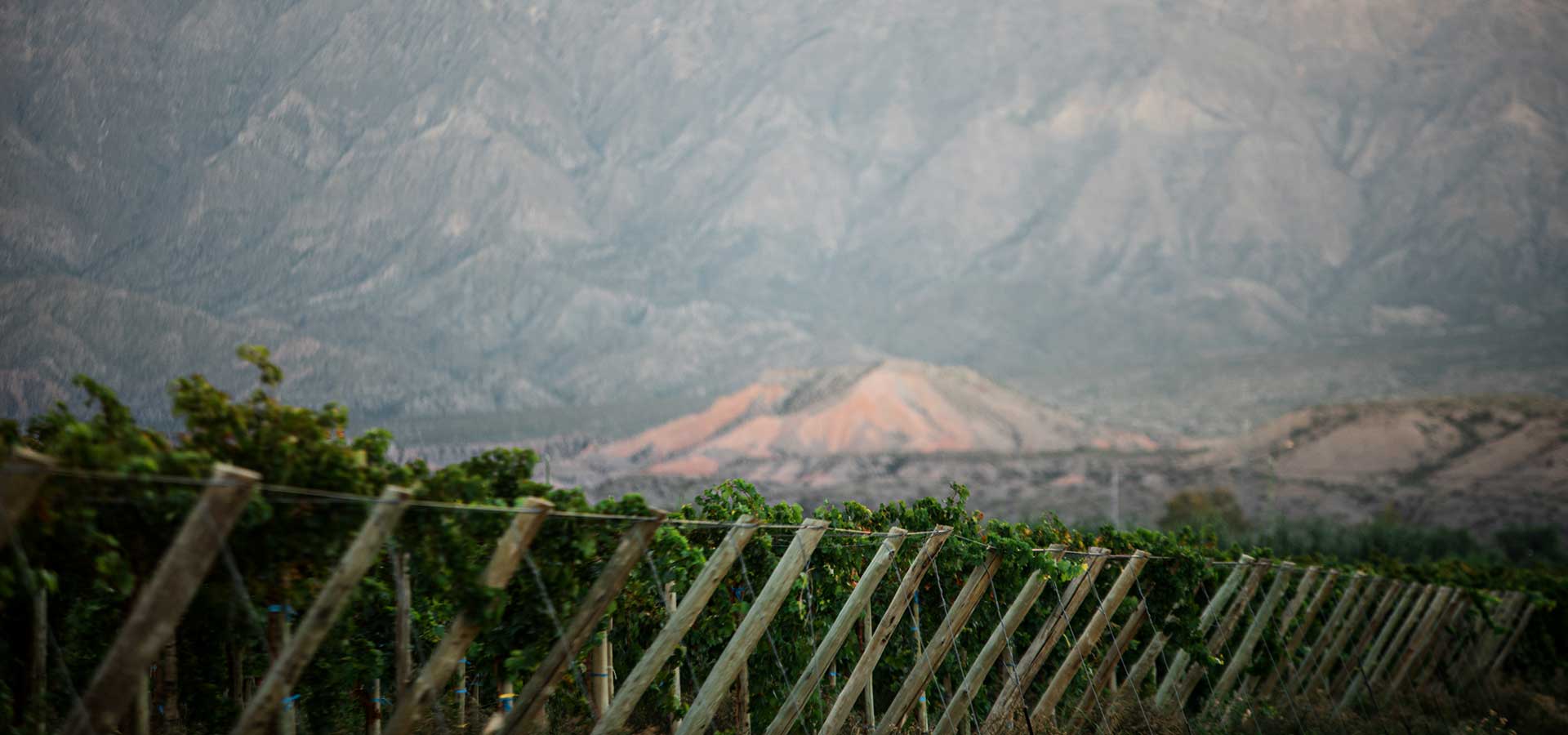
It is also located in the west center of the so-called agricultural oasis of the Tulúm Valley. There, permanent crops such as vineyards and olive trees abound as the most prominent, although various fruits and vegetables are also produced.
Agriculture in San Juan is represented by vine growing. It is the second-largest wine-producing province in Argentina.
The vine arrived in San Juan between 1569 and 1589 with the Spanish conquerors. The optimal climatic conditions favored viticulture, which stood out with extensive and rapid development.
In the beginning, production was limited, covering only the needs of small colonial communities. The aridity of the climate forced the building of dams and artificial irrigation systems (canals), and another difficulty that had to be overcome was the competition from higher-quality products from Europe.
Today, the Province of San Juan is the second province in terms of wine-growing surface in Argentina. It represents 21.69% of the total planted hectares in the country. From a geographical point of view, the majority of production and a large part of the productive area correspond to the agricultural oasis zones of Ullúm, Zonda, and Tulúm, where Finca Richeze is located.